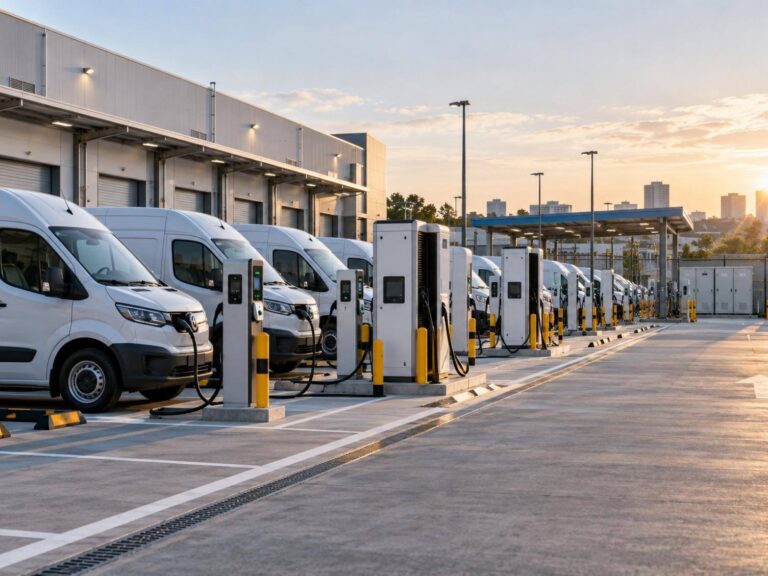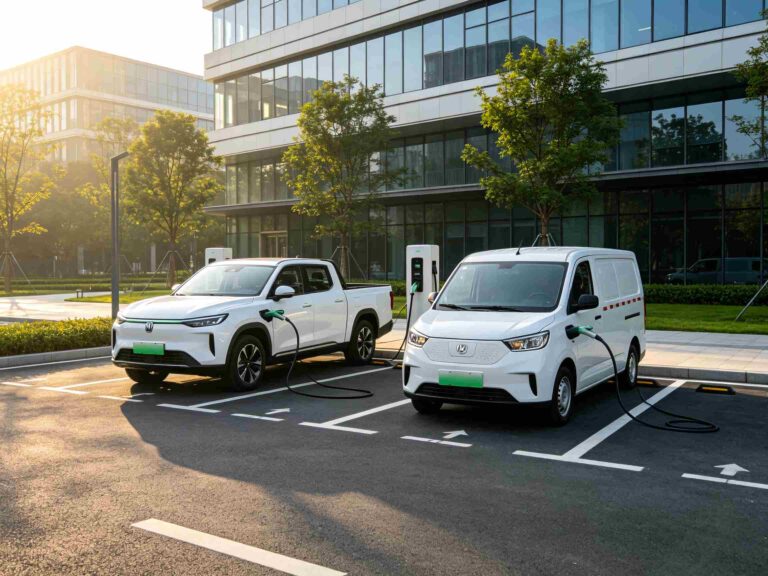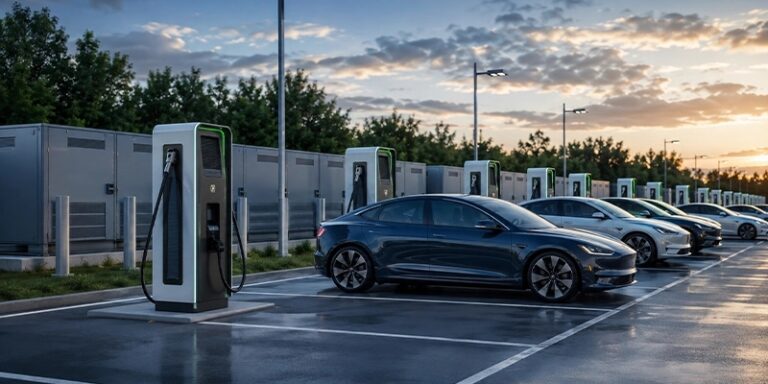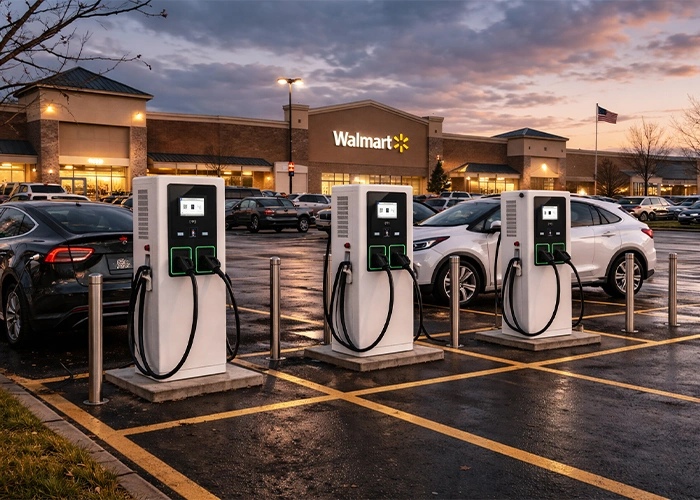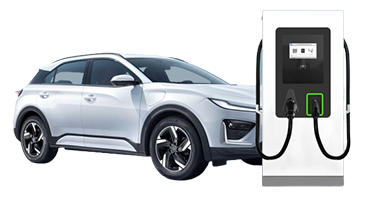
An EV charging management system, also known as a Charging Station Management System (CSMS), connects EV chargers with a backend platform so teams can organize access, observe charger status, review fault information, and coordinate a growing network. OCPP provides the communication foundation, while RFID, App activation, network connectivity, and maintenance workflows shape daily use. The system does not replace electrical design or field service, but it gives operators a clearer view of distributed equipment.
U-charging provides charging solutions with OCPP-based management capabilities for commercial charging networks, fleets, and multi-site operations. Depending on the selected charger, backend platform, and project requirements, the system can support functions such as OCPP communication, RFID and App-based access, remote monitoring, fault diagnosis, OTA upgrades, payment integration, and dynamic load balancing. Final functionality should be confirmed according to the selected charger, backend platform, and project scope.
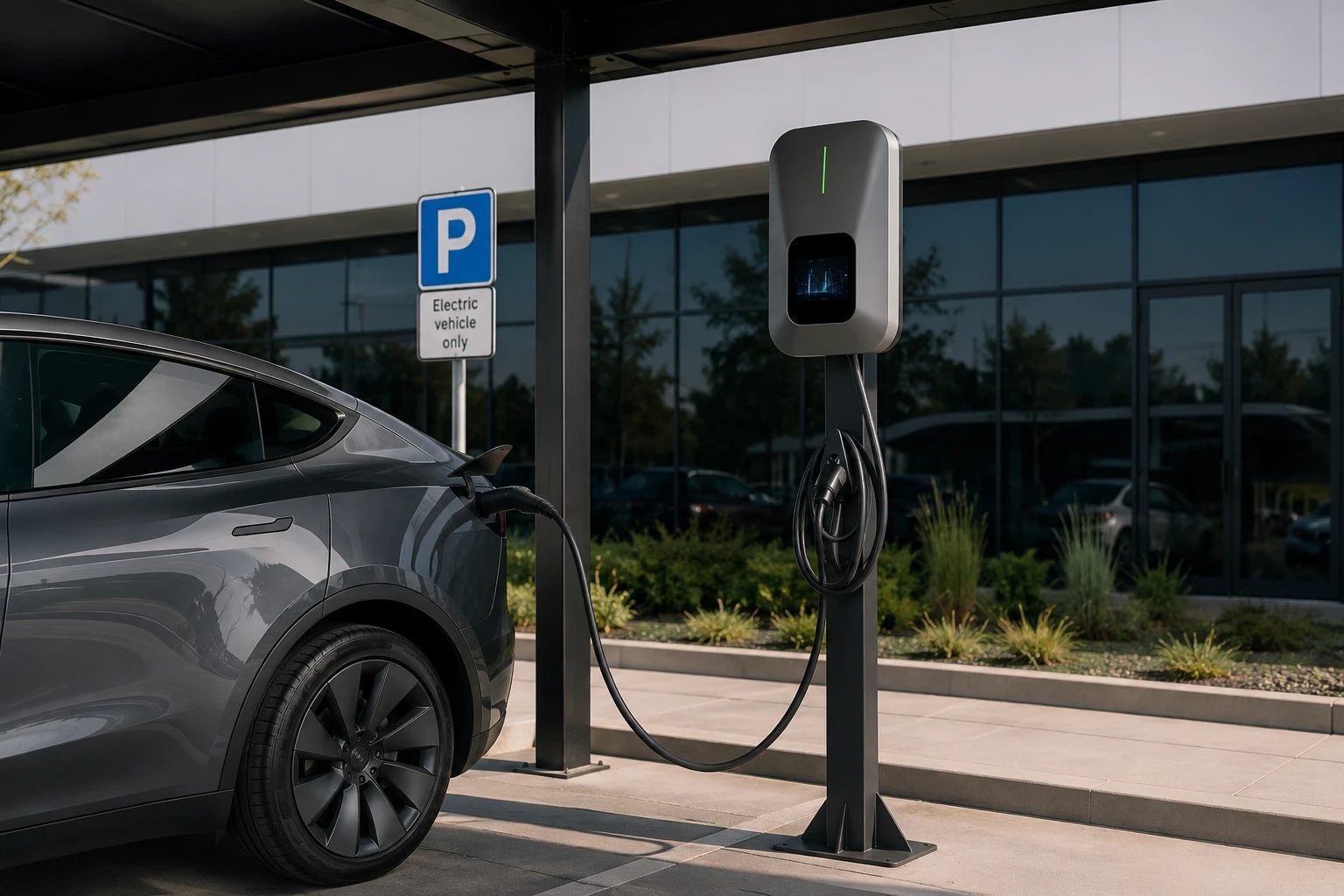
What an EV Charging Management System Does
A management system sits above the physical charging equipment. It receives information from connected chargers and provides operating tools for the people responsible for access, maintenance, and network management. Platform interfaces and workflows depend on the selected management solution.
Connect Chargers With a Charging Management System
Communication allows a charger to exchange supported messages with the platform. The project should define which charger models, protocol versions, connection methods, and operating actions are included rather than assuming that every connected charger behaves identically.
Organize Network-Level Operations
A single charger can be checked locally, but a multi-site network needs consistent equipment names, user groups, fault handling, and service ownership. A management platform can provide a common operational layer.
Why Use an EV Charging Management System?
For commercial charging networks, the value of an EV charging management system goes beyond connecting chargers to software. It creates a centralized operating structure for managing equipment, users, maintenance workflows, and future network expansion.
Centralize Charging Network Management
A CSMS gives operators a common view of connected charging stations across one or multiple locations. Instead of managing each charger separately, teams can organize equipment by site, review operating status, and maintain more consistent workflows across the network.
Control User Access
Access controls help operators define who can use charging infrastructure and how charging sessions are initiated. Depending on the selected system configuration, RFID, App-based activation, and other authorization methods can be used for employees, fleet drivers, residents, guests, or public users.
Improve Fault Response
EV charger remote monitoring can help operations teams identify offline chargers, communication problems, and supported fault conditions earlier. This gives service teams more information before deciding whether remote troubleshooting or an on-site inspection is required.
Support Network Expansion
A structured EV Charging CSMS makes it easier to add chargers, sites, users, and operating rules as a network grows. For fleets, commercial properties, charging operators, and retail networks, this can reduce the complexity of managing distributed charging infrastructure.
Who Needs an EV Charging Management System?
An EV charging management system is especially useful when multiple chargers, users, sites, or operating responsibilities need to be coordinated through one management structure.
| Customer Type | Typical Management Need |
| CPOs | Monitor multiple charging stations, manage users, faults, payment workflows, and network expansion |
| Fleet Operators | Control driver access, coordinate charging schedules, monitor charger availability, and manage site capacity |
| Distributors | Deliver chargers together with compatible backend and OCPP integration options for local projects |
| Parking Operators | Manage authorized users, public charging access, charger status, and payment-related workflows |
| Commercial Properties | Coordinate tenant, employee, visitor, or customer charging within available electrical capacity |
| Hotel & Retail Chains | Manage charging infrastructure across multiple properties with more consistent operating rules |
How OCPP Supports Charging Management
OCPP (Open Charge Point Protocol) is a communication protocol that enables communication between EV chargers and charging management systems. It can support a more open operating architecture, but protocol support alone does not confirm every platform feature, software integration, or charger behavior.
Use OCPP 1.6J as the Main Direction
OCPP 1.6J can provide the communication foundation between compatible U-charging chargers and the selected charging management platform. During project planning, operators should confirm the required OCPP functions, charger implementation, backend compatibility, communication security, and commissioning requirements.
Monitor Chargers Remotely
Remote monitoring helps an operations team understand whether equipment is communicating and whether a reported condition needs attention.
Track Charger Status
Status information can help operators distinguish chargers that are available, charging, offline, or reporting supported fault conditions. Clear site grouping and charger naming make remote monitoring more useful across multi-site commercial charging networks.
Support Fault Monitoring
Fault diagnosis can help operators classify an issue before sending a technician. It does not repair physical equipment automatically, and some faults still require local inspection, safe isolation, component testing, or other on-site work.
Manage Driver and Staff Access
U-charging materials identify RFID card activation and App-based activation as supported access methods, but account rules, permissions, card limits, and user records need to be defined within the final platform scope.
Use RFID Card Activation
RFID can support controlled access for employees, fleet drivers, residents, or other authorized users. Operators should decide how cards are issued, assigned, replaced, disabled, and reviewed instead of treating the card itself as the complete access policy.
Support App Activation
App activation can provide another way to authenticate users and start charging sessions. The final App interface, account structure, user permissions, payment connection, and operating workflow should be confirmed according to the selected backend platform and project scope.
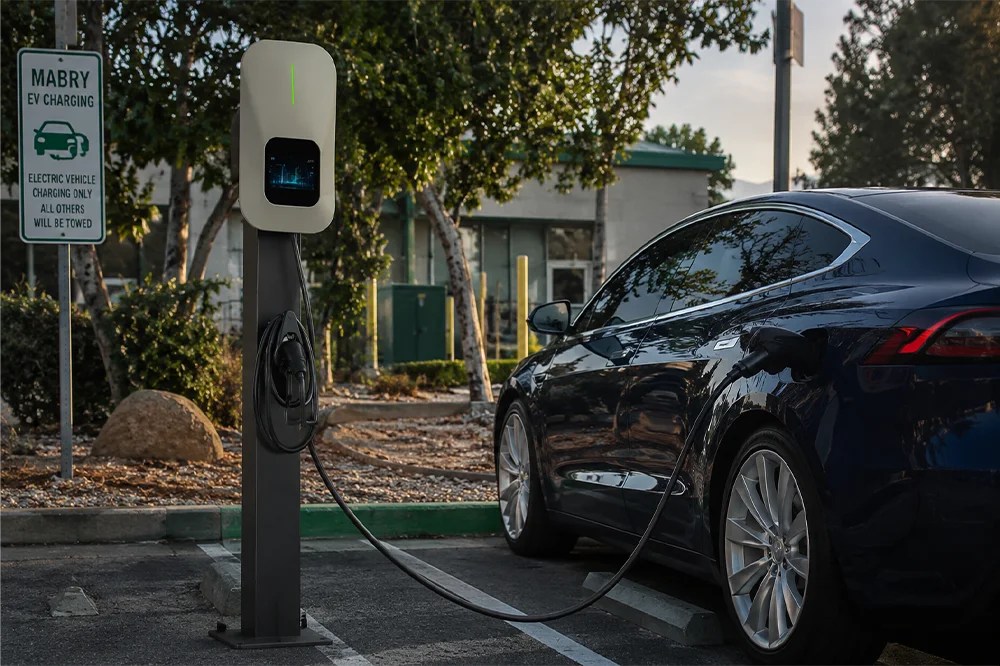
Access Control vs Payment Functions
| Function | Main Purpose | Typical Role | Access or Payment |
| RFID | Identify or authorize users | Employees, fleet drivers, residents, authorized users | Access |
| App | User authentication, session activation, account interaction | Public users, employees, fleet users | Mainly Access; payment depends on platform |
| QR Code | Direct users to a payment or charging workflow | Public or temporary users | Payment / Session Entry |
| POS | Process supported on-site payment transactions | Commercial or public charging locations | Payment |
The exact relationship between authorization and payment depends on the selected backend platform and commercial model. RFID authorization does not automatically mean payment, while App or QR-based workflows may combine user authentication, session activation, and payment depending on the configured system.
Plan Payment-Related Workflows
Consider QR Code Payment
QR code workflows can support public or temporary charging users by directing them to an authorized payment or charging interface. However, local payment integration depends on the target country or region, selected payment service provider, backend platform, settlement requirements, currency, and overall project scope.
Consider POS Payment for Selected Commercial Sites
For selected commercial or public charging locations, POS integration may provide another payment route. Availability depends on the selected payment provider, backend platform, terminal compatibility, local transaction requirements, and project scope.
Choose the Right Network Connection
Management depends on a reliable route between chargers and the charging management platform. U-charging materials reference 4G, Wi-Fi, Ethernet, and Bluetooth, but connection availability and purpose must be confirmed for the selected equipment and site.
Compare 4G and Wi-Fi
4G may suit outdoor or distributed locations without a dependable local network, while Wi-Fi may fit a managed building with suitable coverage. Signal strength, security policy, operating cost, and maintenance access influence the choice.
Compare Ethernet and Bluetooth
Ethernet can provide a fixed network route where cabling is practical. Bluetooth is typically used for local commissioning, configuration, and maintenance access rather than cloud-based network management.
Improve Maintenance and Updates
A connected system can make maintenance more organized by providing remote information, assigning responsibility, and supporting a documented response process. Remote management improves efficiency, while physical maintenance still requires qualified on-site personnel.
Use Remote Monitoring for Triage
Remote information can help a service team decide whether to check connectivity, review configuration, contact the site, or arrange a visit. The operator should define alert ownership and escalation steps so faults do not remain visible without action.
Confirm OTA Upgrade Support
OTA upgrade support can help operators manage firmware maintenance across compatible connected chargers. Firmware compatibility, permissions, scheduling, recovery procedures, and rollback requirements should be confirmed according to the selected charger, backend platform, and project scope.
Consider Dynamic Load Balancing
Dynamic load balancing is intended to coordinate charging demand within an available electrical limit.
Coordinate Multiple Charging Sessions
A load-management strategy may allocate available capacity across connected charging sessions according to configured rules. The charger capabilities, metering arrangement, site distribution, and control architecture must support the intended design.
Match Control With Site Capacity
Software-based load management cannot increase the physical capacity of the site’s electrical infrastructure. Qualified professionals should define the available supply, protection, measurement points, and operating limits before dynamic control is configured.
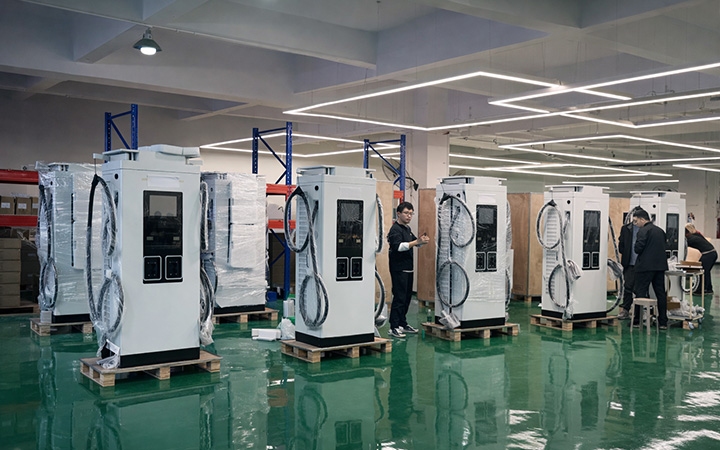
How U-charging Fits Network Management
For commercial charging projects, charger hardware and management requirements should be planned together so connectivity, access, monitoring, payment integration, and load management are aligned before deployment.
Combine Hardware and Platform Requirements
The product brief should connect charger type, OCPP version, connectivity method, access workflow, monitoring, fault handling, payment integration requirements, update requirements, and load-management scope.
Confirm the Final Project Scope
Review the U-charging smart charging solutions as a starting point, then define the final charger, backend, integration, user-role, commissioning, and service scope with the project team.
Conclusion
An EV charging management system gives commercial operators a more structured way to manage chargers, users, faults, connectivity, and network expansion across one or multiple sites. For fleets, CPOs, parking operators, commercial properties, hotels, and retail networks, the right CSMS can make charging infrastructure easier to operate and scale.
Talk to a U-charging engineer to define your charger, OCPP, CSMS, connectivity, access, payment integration, and load-management requirements for your commercial charging network.
FAQ
Q: What does an EV charging management system do?
A: An EV charging management system connects supported chargers with an operating platform. It can help teams organize user access, observe charger status, review fault information, and coordinate maintenance or network operations. The exact functions depend on the charger, OCPP implementation, platform configuration, communication method, and agreed project scope.
Q: Does U-charging support OCPP 1.6J?
A: OCPP 1.6J is identified as the main protocol direction across U-charging product and management materials. Operators should confirm the protocol version, supported functions, charger implementation, platform compatibility, and commissioning requirements for the specific project.
Q: Does remote fault monitoring replace on-site maintenance?
A: No. Remote fault information can help an operator classify an issue and decide what response is appropriate, but it does not automatically repair physical equipment. Connectivity failures, damaged cables, electrical faults, component problems, and safety inspections may still require qualified personnel to examine the charger at the site.