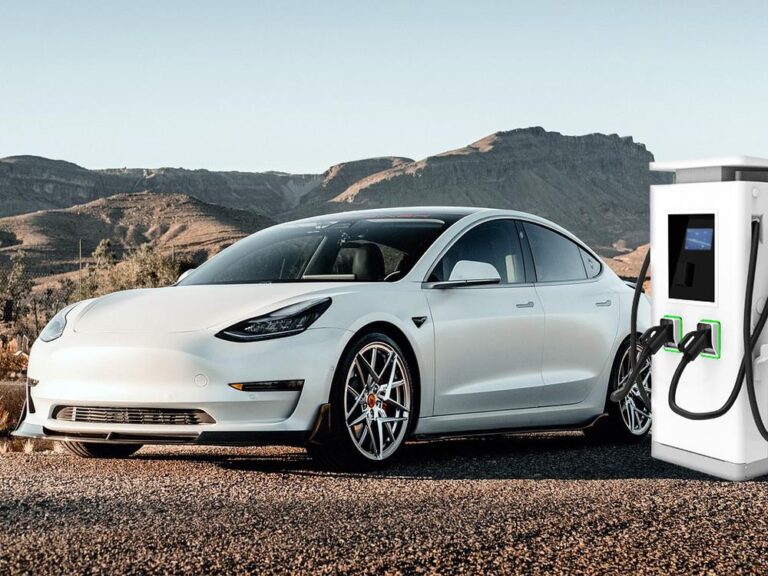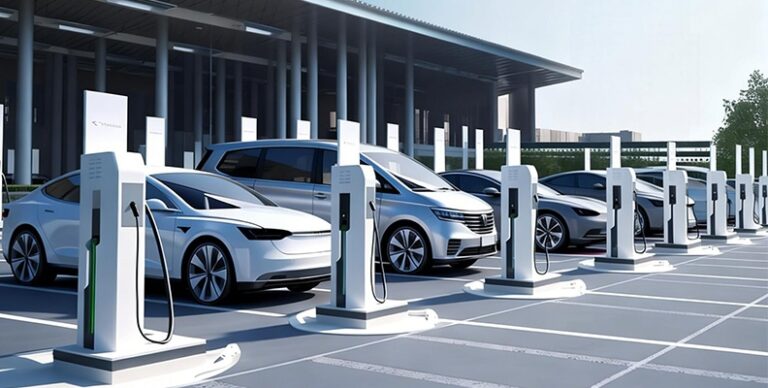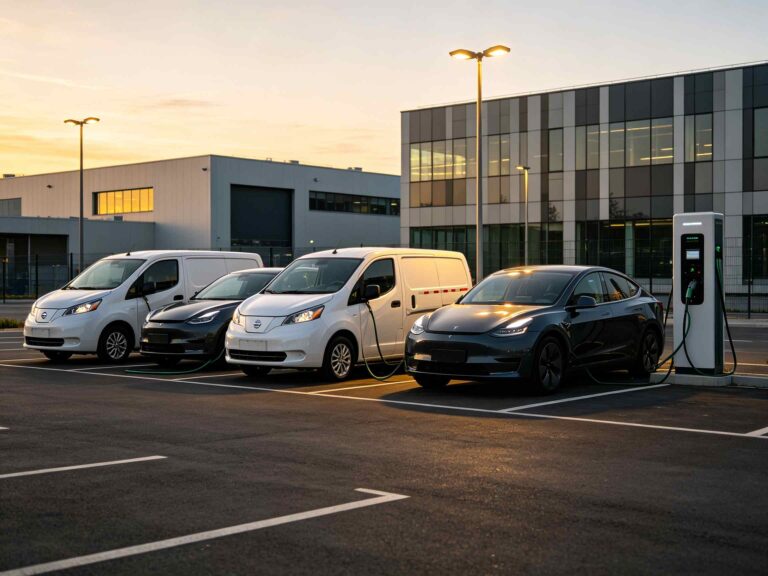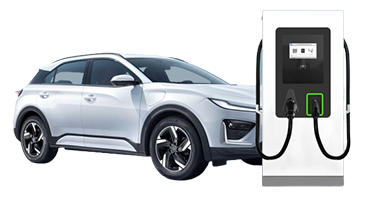
An EV charging solution for car dealerships should align charging infrastructure with vehicle intake, pre-delivery inspection (PDI), inventory storage, demonstration drives, service operations, and vehicle handover. U-charging AC chargers can support inventory and long-stay areas, while DC equipment can serve test-drive, delivery, and service vehicles that need a faster turnaround. An effective dealership charging plan should divide charging areas according to vehicle workflow, dwell time, charging demand, and available electrical capacity.
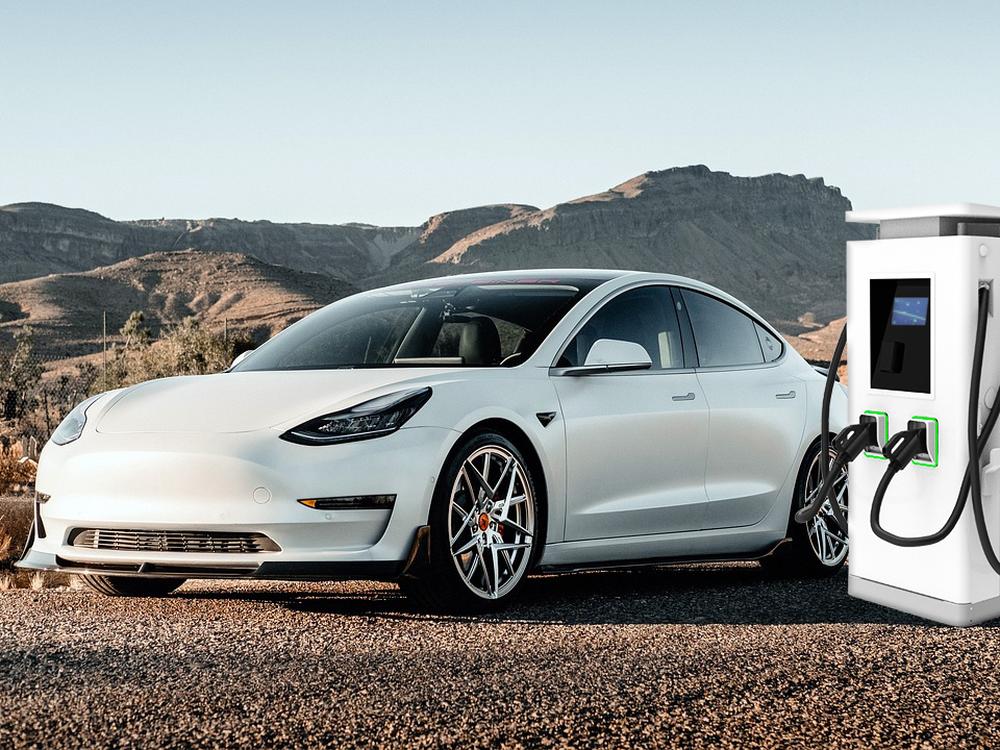
Why Car Dealerships Need Dedicated EV Charging Infrastructure
Dealership EV Charging Goes Beyond Customer Charging
A dealership manages vehicles that are waiting for inspection, prepared for delivery, used for demonstrations, or held in a service area. Each group has a different priority and dwell time.
Vehicle Readiness Influences the Dealership Experience
Charging should be integrated into the dealership’s vehicle-readiness workflow. A clear process helps sales and service teams track each vehicle’s charging status, assigned charging bay, target SOC, and next operational task before customer handover.
Map Charging Needs Across the Dealership
Delivery and Handover Areas
Delivery-ready vehicles should be assigned to designated charging bays located near the PDI, detailing, final inspection, and vehicle handover areas. AC charging can suit vehicles that remain on site during preparation, while a selected DC charger can support time-sensitive deliveries. The operating procedure should define vehicle-movement authority, charging priority, bay occupancy rules, and charger release criteria.
Inventory and Overflow Parking
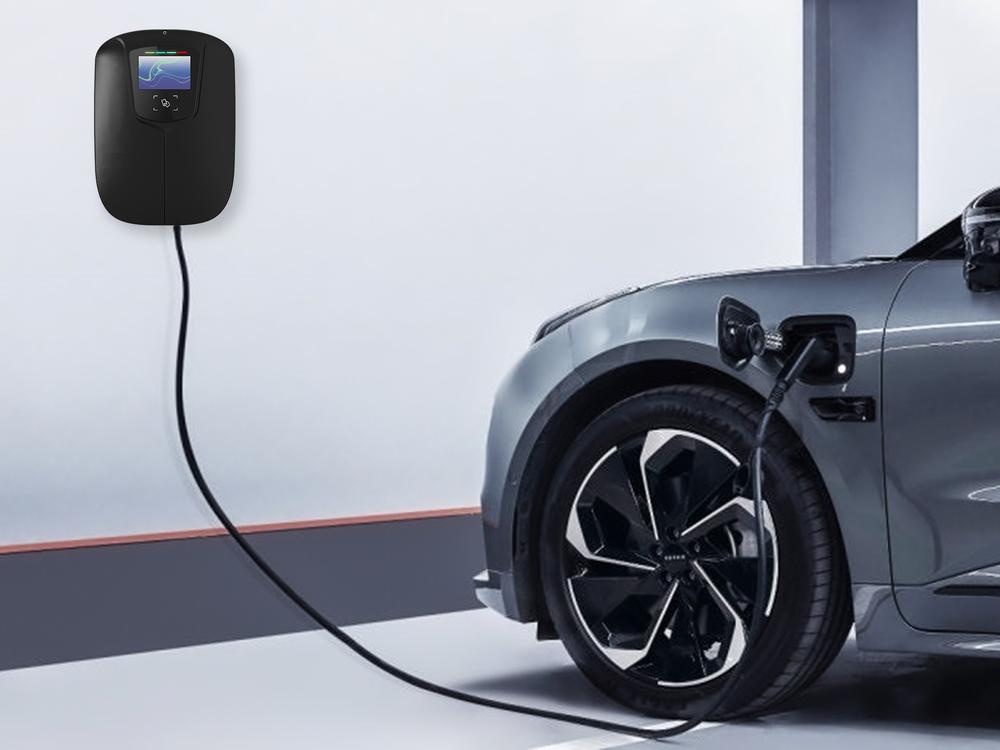
AC charging can suit inventory vehicles with long parking windows. Charging schedules and target state of charge (SOC) should follow the vehicle manufacturer’s storage and maintenance guidance, together with the dealership’s inspection and delivery plans. U-charging AC products include 7kW, 11kW, and 22kW configurations, with installation formats depending on the selected model. Scheduled charging and RFID access are available where supported by the charger and management platform.
Match U-charging AC Chargers to Long-Stay Operations
Use 7kW and 11kW for Inventory Parking
7kW and 11kW AC configurations can support vehicles that remain on a dealership lot for hours or overnight. They are relevant to inventory rows, employee parking, and vehicles waiting for delivery preparation. The final choice should consider the vehicle’s onboard charger (OBC) rating, site electrical supply, cable reach, parking layout, and the number of simultaneous charging sessions.
Use 22kW Where Vehicle and Site Capabilities Allow
A 22kW AC charger can provide higher charging power where the vehicle’s onboard charger and the site electrical supply support it. A vehicle with a lower AC charging limit will not charge at 22kW simply because it is connected to a 22kW charger. Confirm the vehicle’s AC charging capability, phase requirements, site capacity, and expected dwell time before selecting this configuration.
Review Installation Around Dealership Layout
Wall-mounted units can preserve space beside a building, while column or floor-standing chargers may suit open inventory rows. Review cable routing, vehicle circulation and turning radii, drainage, impact protection, pedestrian clearance, and maintenance access. A well-positioned AC charger is easier for staff to use repeatedly and less likely to interfere with customer movement.
Add U-charging DC Capacity for Time-Sensitive Vehicles
Select DC Capacity for Time-Sensitive Tasks
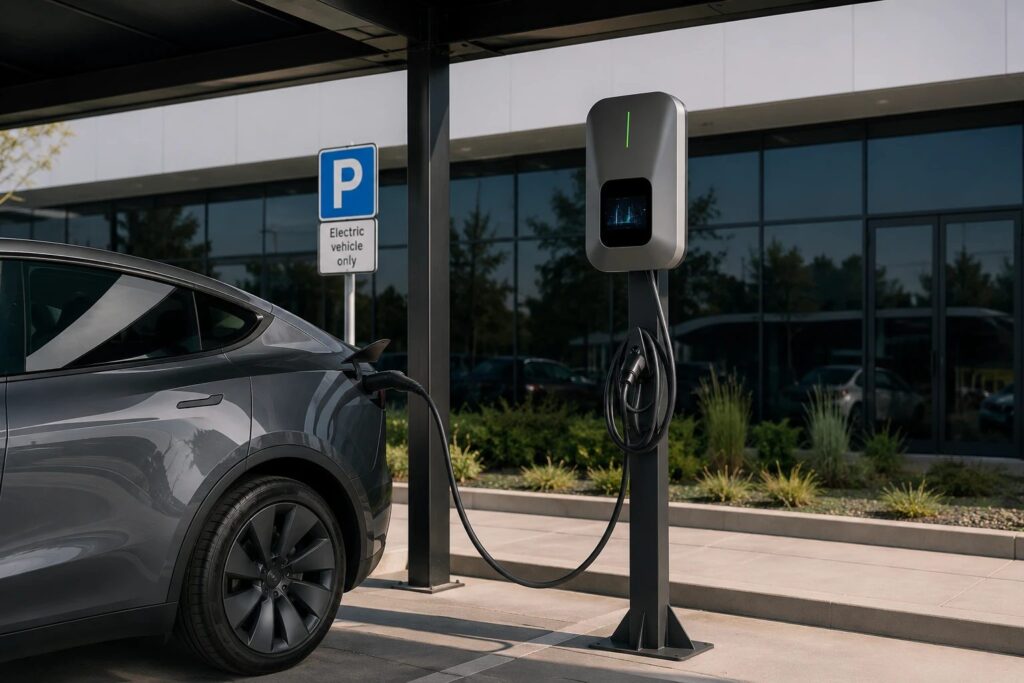
Select DC charging capacity according to the energy required before the next test drive, delivery, or service release, together with the available charging window. Confirm available U-charging models against the current product specifications. Charger selection should account for vehicle DC charging capability, battery SOC and temperature, site capacity, and expected simultaneous use.
High-Power Systems for Larger Commercial Sites
U-charging also offers higher-power DC charging systems, including 120–180kW, 120–240kW, and 240–480kW configurations. These higher-power systems require detailed assessment of transformer and feeder capacity, switchgear and protection, vehicle circulation, connector management, ventilation where applicable, and maintenance clearances. Integrated systems, single-gun configurations, and dual-gun configurations should be evaluated according to site layout, vehicle throughput, and charging demand. Higher-power equipment should be considered where verified vehicle demand and charging windows justify it, rather than treated as a standard requirement for every dealership.
Build a Dealership Charging Operating Workflow
Assign Priorities to Delivery, Test Drive, and Service Vehicles
Create a simple priority policy that links a vehicle identification number or internal stock reference to its next task. Delivery vehicles may receive a deadline, test-drive vehicles may follow appointment windows, and service vehicles may be scheduled around workshop release. The policy should explain who can override a queue and how a completed session is recorded. Vehicle-to-session mapping may be maintained manually or through a supported integration. Automatic synchronization with a dealership management system (DMS), appointment system, or vehicle SOC data requires separate confirmation of interfaces and data availability.
Schedule Charging Around Readiness and Electricity Tariffs
Where supported, scheduled charging can align inventory and employee charging with vehicle-readiness deadlines and applicable electricity tariffs. Confirm that connected vehicles can start and resume charging under the selected control method. Scheduling should account for site limits, vehicle availability, and operational priorities; charging during low-activity periods does not necessarily mean lower electricity costs.
Apply Dynamic Load Balancing Across Shared Capacity
Where supported, Dynamic Load Balancing can adjust charging power within a configured site limit. If charging power is to respond to lighting, HVAC, workshop equipment, and other building loads, confirm the required metering, controller, and charger integration. Vehicle priorities and departure-based scheduling require separate confirmation. DLB does not increase the site’s electrical supply capacity.
Connect Charging Access, Monitoring, and Vehicle Records
Define Staff Access and Visitor Payment Methods
RFID or app-based activation can support staff charging access where available. Zone-based permissions depend on the selected charger and management platform. For customer or visitor charging, confirm payment requirements separately, including any optional POS terminal, payment service, and backend integration. Access authorization and payment should be defined as separate functions in the operating plan.
Confirm OCPP and Network Connectivity
U-charging chargers support OCPP 1.6J, with OCPP 2.0 available as an option, depending on the selected model and software configuration. Supported 4G, Wi-Fi, or Ethernet connections enable communication with a compatible charging station management system (CSMS). Bluetooth availability and local configuration or control functions should be confirmed separately. Verify backend compatibility, permissions, network coverage, and required data before installation.
Use Remote Diagnosis and Upgrades
Where supported by the charger and CSMS, remote diagnostics can help investigate offline status, communication faults, and charging-session issues. Authorized firmware updates may resolve supported software issues and should be scheduled to limit operational disruption. Physical inspection and qualified electrical work remain necessary where required.
Plan a Scalable EV Charging Layout
Separate Customer-Facing and Operational Bays
Mark delivery, test-drive, inventory, service, and employee zones so a charger is assigned to a clear business purpose. Keep cables away from pedestrian routes and preserve turning space for transporters and customer vehicles. A visible layout also allows operators to isolate an unavailable charging bay without stopping the entire operation.
Reserve Capacity for Future EV Inventory
Plan spare conduit routes, panel space, communications coverage, and equipment clearances before the lot is resurfaced or reorganized. As electric inventory grows, the dealership may add additional AC charging points, selected DC fast-charging capacity, or higher-power charging infrastructure. Expansion should follow vehicle demand and site calculations rather than a fixed equipment count.
Conclusion
An EV dealership charging solution is most useful when charging is coordinated with delivery deadlines, inventory requirements, test-drive appointments, and workshop release. U-charging AC and DC equipment can support this approach, with access control, connectivity, scheduling, load management, and remote functions selected according to the confirmed product and platform configuration.
Talk to our engineer about your dealership charging plan. Share your project location, vehicle models, inventory size, daily delivery and test-drive demand, available electrical capacity, and expansion plans to discuss a suitable AC and DC configuration.
FAQ
Q: What is an EV Dealer Charging Solution?
A: It is a coordinated charging plan for dealership inventory, delivery vehicles, test-drive cars, service vehicles, and staff or customer parking. The plan combines charger types, zones, access rules, scheduling, and monitoring. U-charging AC and DC equipment can be matched to each vehicle task instead of applying one setup to the entire property.
Q: Should a dealership use AC chargers or DC chargers?
A: AC charging can support vehicles with sufficient parking time, while DC charging may be justified where the required energy cannot be delivered within a shorter preparation window using AC. The appropriate mix depends on vehicle charging capability, delivery and test-drive schedules, site capacity, and operating costs. Some dealerships may meet their needs with AC charging alone.
Q: How can dealerships manage charging for test-drive vehicles?
A: Assign test-drive vehicles to designated bays and set readiness targets around appointment times. Staff can link charging sessions to stock or appointment records manually, or through a confirmed system integration. Use supported access and monitoring functions to check charging progress, and verify vehicle SOC through the vehicle or an available data connection. Selected DC capacity may support short turnaround windows where needed.