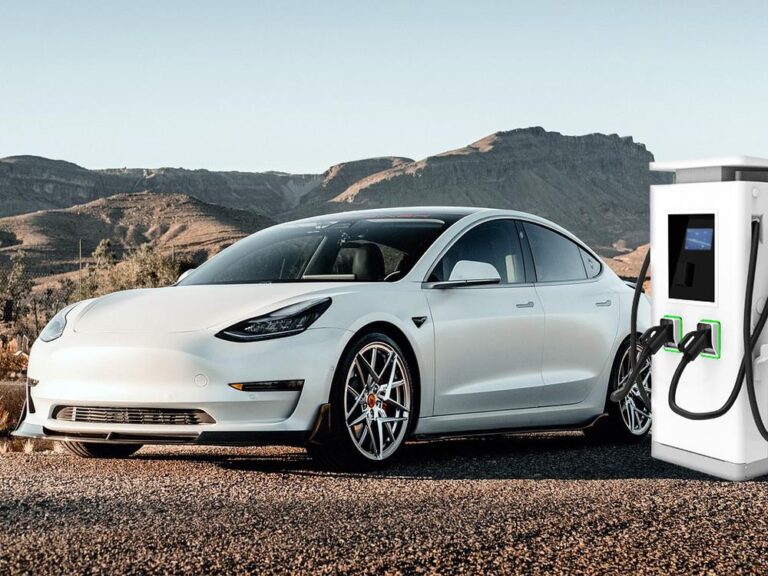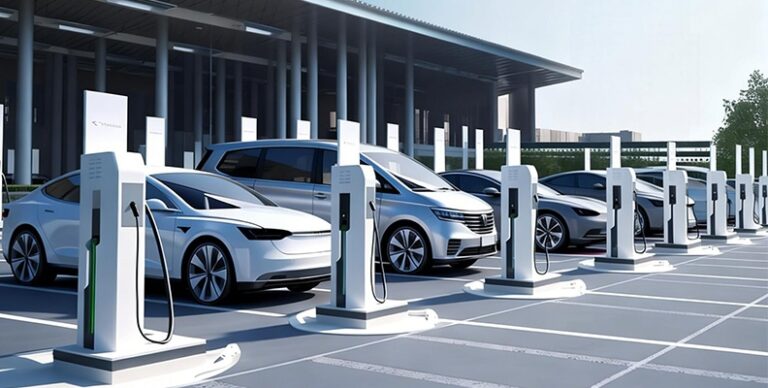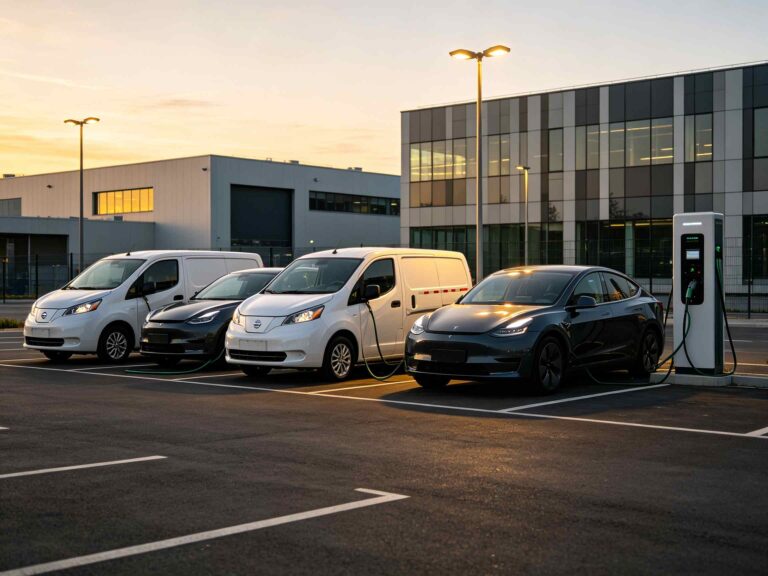
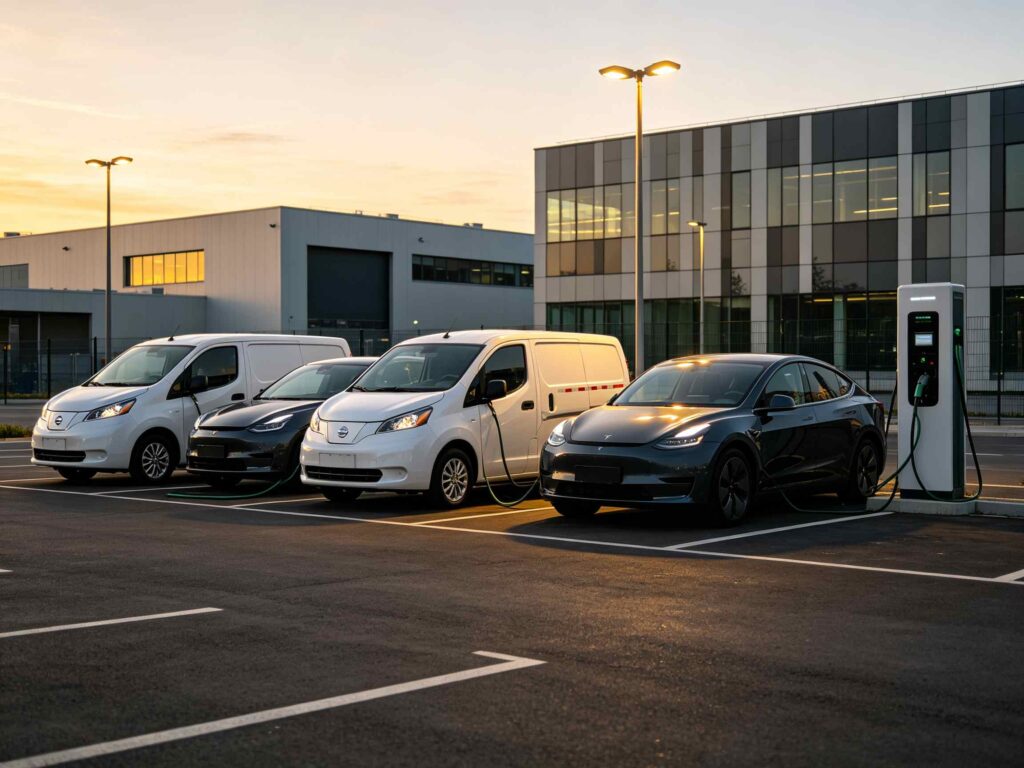
An EV charger system for a small fleet needs to take into consideration the cycle of use of the vehicle, energy requirements per day, the parking time, when the cars need to leave, and the electrical capacity of the site. In many cases involving delivery and servicing vehicles, a good first step would involve using AC charging stations for parking during night time and choosing some DC fast charger stations.
Why Small Fleets Need a Different Charging Strategy
Match Charging With Daily Vehicle Routes
Examples of a small fleet are delivery vans, field-service vehicles, maintenance trucks, or corporate cars. It should be noted that these vehicles do not arrive back at the depot simultaneously and also do not have similar energy requirements. Route distance, cargo volume, traffic conditions, and service stops determine when the vehicle arrives back and when it leaves.
Plan Around Dwell Time and Departure Windows
When choosing a charger, the time a vehicle spends at a station is one of the clearest considerations. If vehicles are parked overnight or for a full shift, AC charging is usually enough to restore the battery. DC charging is worth considering mainly when a short parking window leaves no time for AC to deliver the energy the vehicle still needs for its next trip. Rather than defaulting every small fleet to DC, the decision should reflect each fleet’s real operating pattern. A sound charging plan weighs these elements together: vehicle routes, available charging opportunities, how long vehicles stay parked, and the site’s power supply — including peak moments when many vehicles return at once.
Technical Features That Support Fleet Charging Management
Use OCPP and Remote Monitoring
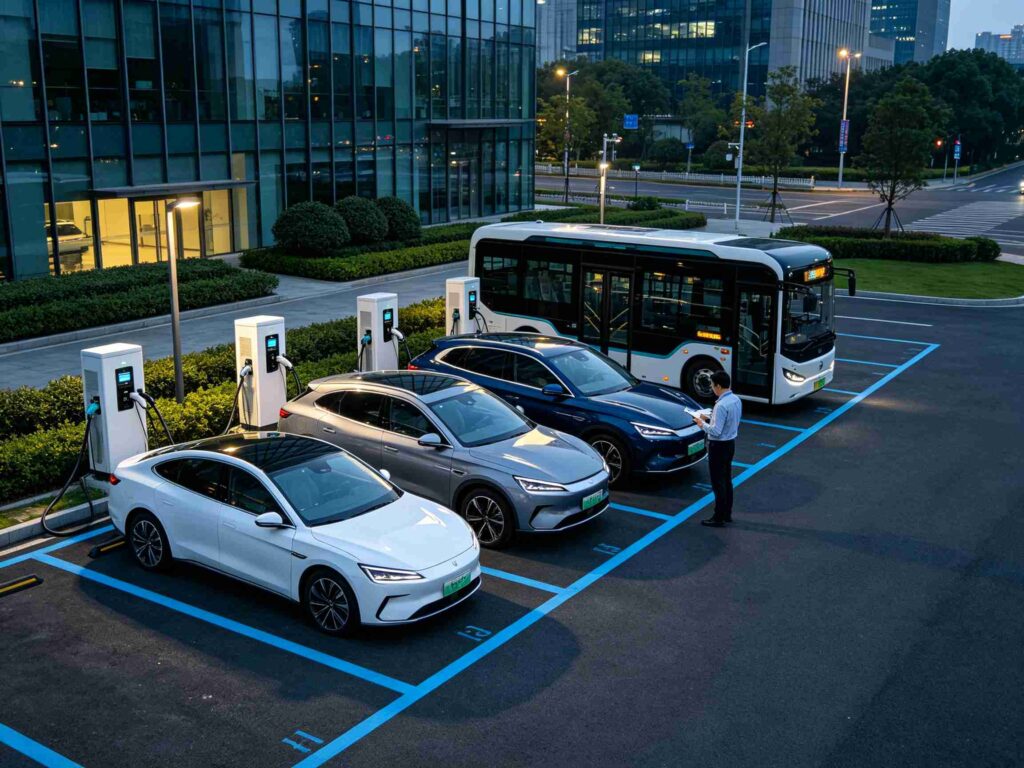
U-charging chargers can connect to a compatible charging station management system (CSMS) through OCPP 1.6J. OCPP 2.0 may be available depending on the selected model and software configuration. Supported 4G, Wi-Fi, or Ethernet connections provide the communication path. Bluetooth availability and local configuration or control functions must be confirmed for the selected model. Remote monitoring and session visibility depend on the functions supported by both the charger and the connected CSMS.
A CSMS connection should not be interpreted as a direct connection to any fleet management or dispatch platform. Linking route planning, vehicle dispatch, departure schedules, or energy-demand calculations requires separate confirmation of API availability, data fields, authentication, data direction, and integration scope. Before deployment, verify vehicle models and quantities, daily routes and mileage, return and departure times, target energy or state of charge (SOC), site power limits, and the responsibilities of each system. Record the protocol version, network setup, access rights, data mapping, and offline response in the commissioning log.
Apply Dynamic Load Balancing
Dynamic Load Balancing (DLB) can help keep the total charging load within a configured site or circuit limit by measuring or receiving load data and distributing available charging power among compatible chargers. The exact behavior depends on the supported hardware, meters, firmware, charger configuration, and connected backend.
DLB should be treated as four separate functions: the site power limit, load measurement, charging-power allocation, and departure-time scheduling. The first three may be included in a DLB implementation, while route-based priority, departure-time scheduling, target SOC, or dispatch protection require separate scheduling rules, vehicle data, and compatible platform integration.
DLB does not add electrical capacity or upgrade the site’s utility service. The operator must separately define vehicle groups, priority rules, charging schedules, access control, departure windows, and exception procedures where these functions are required.
Select Connectors and Access Methods
Connectors must be chosen based on the vehicles and the target market. Based on the products and target markets, U-charging allows you to choose different types of connectors such as Type 2, CCS1, CCS2, and GB/T. Availability of connectors should be confirmed with respect to the particular charger setup and vehicle range. Access through RFID cards, mobile apps, and payment interfaces is possible depending on the charger setup and backend. Access control may be used for a small fleet.
Run a Daily Operating and Exception Process
Before each operating day, confirm that each vehicle is parked in its assigned bay, plugged in correctly, and charging has started successfully. Monitor charging sessions for failed starts, unexpected interruptions, communication loss, abnormal power, or other faults.
Before dispatch, check the planned departure time and the target energy or SOC. If a vehicle has not received sufficient energy, follow a documented backup procedure. This may include moving the vehicle to an available DC charger, changing the vehicle assignment, staggering departures, arranging temporary charging elsewhere, or escalating the issue to the responsible operator.
Remote alarms, target SOC visibility, automatic dispatch actions, and vehicle-level charging information depend on the charger, CSMS, network availability, vehicle data, and any additional integration. These functions should not be treated as default capabilities unless they have been confirmed for the selected project configuration.
Compare Charging Roles Before Selecting Equipment
| Fleet condition | Charging role | Equipment direction | Planning focus |
| Long overnight dwell | Routine recovery | 7/11/22kW AC | Departure deadline and onboard AC charging capability |
| Short turnaround | Rapid redeployment | Selected DC capacity | Vehicle limit, site supply, and queue |
| Mixed schedules | Routine plus exceptions | AC and DC mix | Priority rules and bay allocation |
| Several vehicles return together | Coordinated charging within the site limit | DLB plus separately configured scheduling, if supported | Metering, power limit, allocation behavior, and any priority or departure rules |
AC Charging for Long-Dwell Fleet Vehicles
AC charging is suited to vehicles that remain at the depot through the night or during a full work shift. It can provide routine charging capacity across multiple parking bays without requiring every bay to support high-power DC charging. For small delivery fleets, this arrangement can work well when routes, return times, and morning departures are relatively stable.
DC for Priority and Time-Sensitive Vehicles
Fast DC charging will be more important when the vehicle has only a limited idle time period or requires rapid redeployment. A few DC fast chargers will be able to cater for the exception cases without forcing the whole depot to use high-powered machines. The design needs to take into consideration the reach of the cables, room for maneuverability, and so forth.
Mixed Charging for Flexible Fleet Operations
A combination of AC and DC charging points can separate routine charging from time-sensitive charging. AC charging can support vehicles during overnight parking or full-shift dwell periods, while selected DC chargers can support late arrivals, urgent cases, and rapid redeployment.
Design the Site for Daily Fleet Movement
Arrange Bays Around Vehicle Circulation
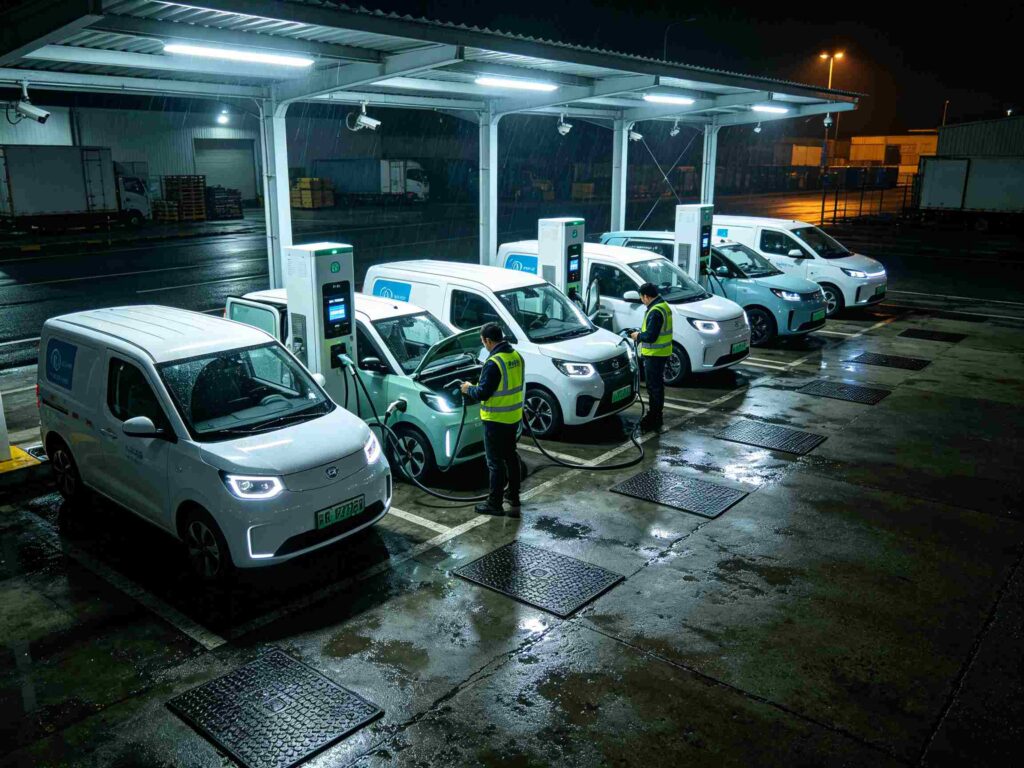
The charging bays must align themselves with the movement of the depot to prevent vehicles from blocking lanes for dispatching, loading, and workshops. Cable reach needs to be checked relative to where the inlet is located. The movement for DC bays is going to be different from that of overnight AC rows.
Prepare Electrical and Network Infrastructure
The following aspects must be covered during the site review: the connection of the service, the distribution system, the protection, the grounding, the cable route, and other loads of the depot. It is important to ensure network coverage and data cabling prior to mounting the equipment.
Plan Expansion With Total Cost and Service Risk
A scalable infrastructure is not the installation of all possible equipment from the start. It includes logical pathways, panel space, network coverage, bay placement, service clearance, commissioning records, and operating procedures for future expansion.
Expansion decisions should consider more than charger utilization. Review equipment costs, electrical service and distribution upgrades, installation and civil works, software and backend communication costs, network or data service costs, maintenance requirements, and any applicable demand charges. Local time-of-use electricity tariffs should also be considered when selecting charging windows and operating schedules.
The decision to add chargers should be based on the fleet’s unmet energy demand, queueing, failed or interrupted charging sessions, departure delays, route changes, and expected fleet growth, as well as measured charger utilization. A high utilization rate alone should not be treated as sufficient evidence that additional equipment is required.
Where U-charging Fits Small Fleet Projects
Delivery and Logistics Fleets
Fleet vehicles generally operate on predictable duty schedules, have a limited window of overnight parking, and fixed morning departure times. AC charging would be used for routine recharging, whereas a carefully chosen amount of DC power would be suitable for late arrivals and re-deployment.
Service and Maintenance Vehicles
Service vehicles might have varying ranges and be dispatched on short notice. AC charging of vehicles and managed DC access could help achieve that without assuming that all vehicles need immediate attention. Set priorities and an exception process for urgent cases.
Corporate and Mixed-Use Fleets
A corporate site may accommodate pool cars, assigned cars, visitor vehicles, and operational vehicles within the same parking area. AC charging can support vehicles that remain parked for extended periods, while controlled DC charging can support time-sensitive charging requirements.
How U-charging Supports a Scalable Fleet Plan
U-charging can support a scalable fleet plan through equipment selection across AC and DC charging, connector and interface configuration, technical documentation, OCPP and CSMS connectivity checks, installation and commissioning guidance, and after-sales support.
The available support scope depends on the selected products, site conditions, backend platform, network environment, vehicle requirements, and agreed integration scope. Project planning should confirm the equipment mix, communication method, access control, monitoring requirements, load-management configuration, installation conditions, and future expansion requirements.
Conclusion
The right Small Fleet Charging Solution begins with routes, return times, departure deadlines, vehicle charging limits, and available site capacity. AC charging can handle predictable overnight recovery, while selected DC fast chargers can support urgent redeployment and shorter turnaround windows. This operational split helps a small fleet gain useful capacity without installing high-power DC chargers at every parking bay.
U-charging supports a configurable approach across AC and DC equipment, OCPP connectivity, access control, remote monitoring, and Dynamic Load Balancing. By documenting the role of each charger and leaving room for measured expansion, delivery and service fleets can build a charging environment that can adapt to changes in fleet size, route schedules, charging demand, and site capacity.
Explore U-charging fleet charging solutions for delivery, service, and commercial vehicle operations.
FAQ
Q: Should a small commercial fleet use AC or DC chargers?
A: AC chargers work well for cars that stay parked for a long period of time, such as overnight, while DC chargers work for short-term turnarounds. It can be reasonable to use a combination of both depending on whether there are regular or time-sensitive vehicles in a fleet. In addition, it should also be considered what capabilities the car has.
Q: How does Dynamic Load Balancing help a small fleet?
A: DLB can help keep the total charging load within a configured electrical limit by measuring site or circuit load, where supported, and distributing available power among compatible chargers. Its behavior depends on the installed meters, charger hardware, firmware, configuration, and backend platform.
DLB alone does not provide route-based priority, departure-time scheduling, guaranteed target SOC, or automatic dispatch protection. Those functions require separate scheduling rules, vehicle or fleet data, and compatible system integration. DLB also does not increase the site’s available electrical capacity.
Q: Can U-charging chargers connect to a fleet management platform?
A: U-charging chargers can connect to a compatible charging station management system (CSMS) through supported OCPP versions, including OCPP 1.6J and, depending on the selected model and software configuration, OCPP 2.0. Supported 4G, Wi-Fi, or Ethernet connections may be used for backend communication.
A CSMS connection does not mean that the chargers can directly connect to any fleet management or dispatch platform. Integration with route planning, vehicle scheduling, dispatch, or energy-demand systems requires separate confirmation of the available APIs, data fields, authentication method, data mapping, and integration scope. Route information, return and departure schedules, vehicle data, and target energy or SOC should be verified as required project inputs.