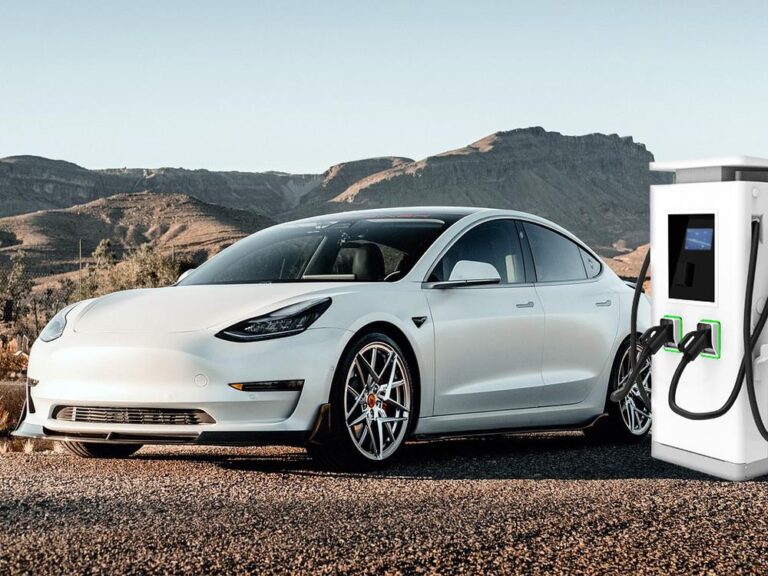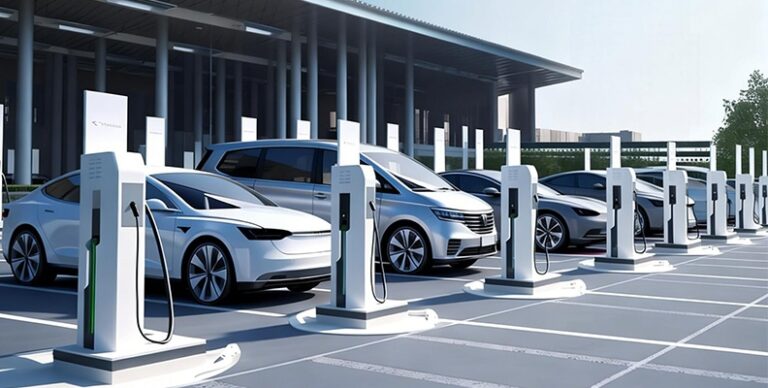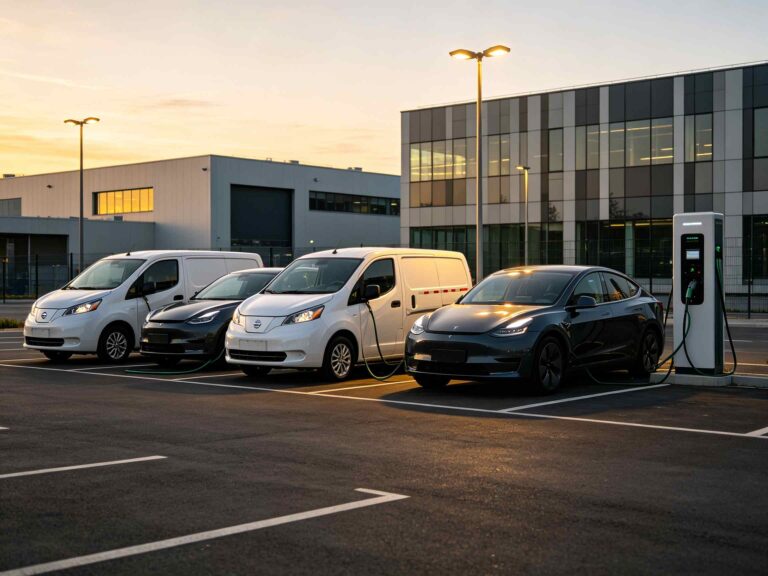
A hotel EV charging solution should improve the complete guest journey—from arrival and valet parking to charging, vehicle retrieval, and departure. Hotels can use 7 kW, 11 kW, or 22 kW AC chargers for overnight guests, while selected DC charging can support valet operations, short-stay visitors, and higher vehicle turnover. With clear access rules, reliable charging equipment, and simple staff workflows, EV charging becomes a practical part of the hotel’s guest experience and daily operations.
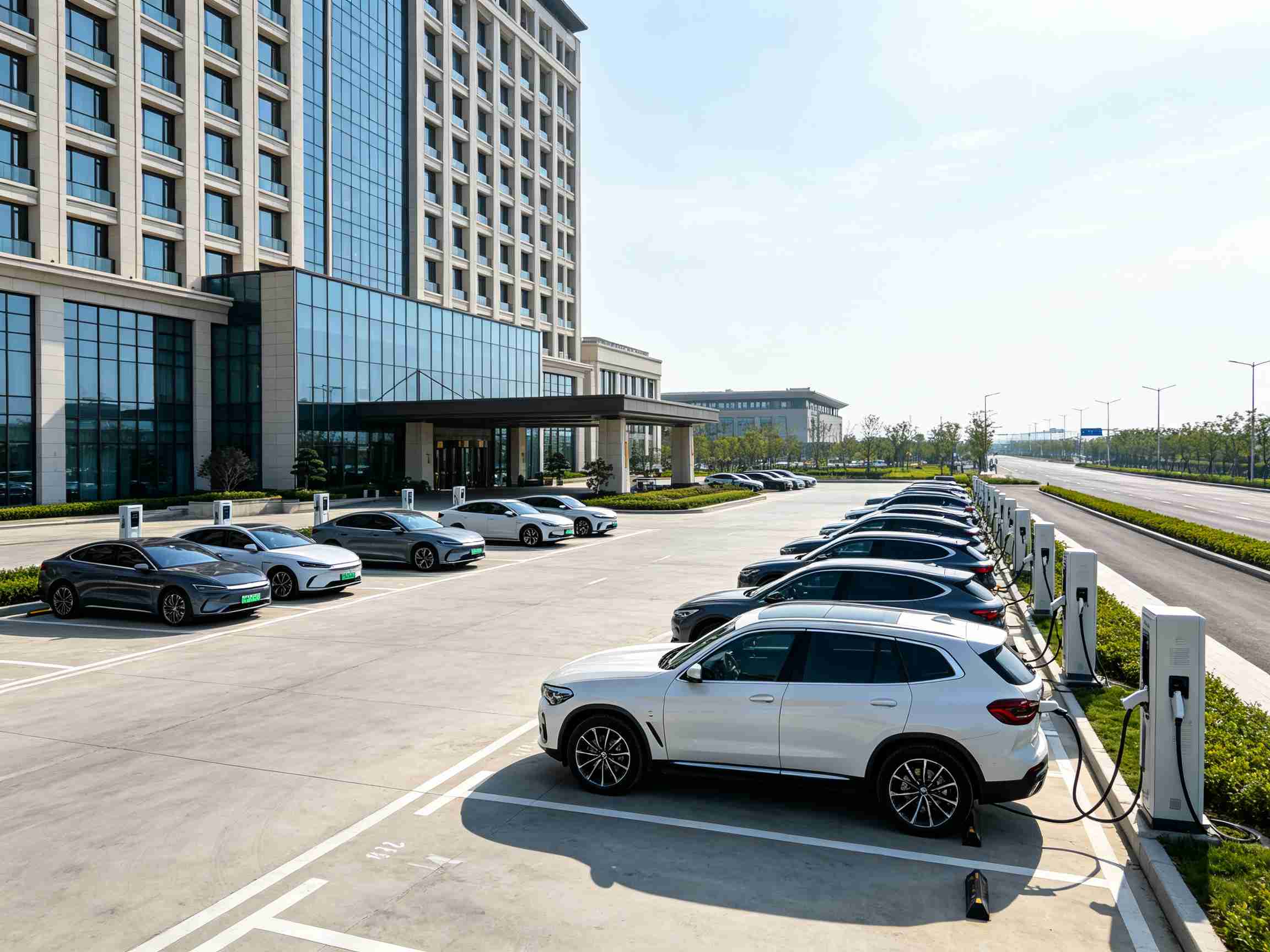
Why Hotels Are Investing in EV Charging Infrastructure
Meet Changing Guest Expectations
EV charging availability can influence accommodation and destination choices for drivers who need reliable charging during an overnight or extended stay. A visible, dependable charging area can support the stay without requiring guests to search for a separate public station.
Turn Overnight Parking Into a Useful Amenity
Hotel EV charging should be integrated into the property’s parking workflow, including guest arrival, check-in, valet operations, charging-session management, vehicle retrieval, and departure. EV charging can be positioned as a guest amenity, a parking service, or a separately managed commercial charging service, depending on the hotel’s operating model.
Improve the Guest Charging Experience
Hotel EV charging should feel like a natural part of the guest journey. Guests should be able to find the charging area easily, understand how to start a session, receive clear information about charging status and fees, and contact hotel staff when support is needed.
A well-designed guest charging experience includes clear signage, simple authentication, reserved charging bays, reliable equipment, transparent pricing, and a clear process for vehicle retrieval. Front-desk and valet teams should know how to check session status, handle early departures, move vehicles when necessary, and escalate charging issues.
Design the Right Hotel EV Charging Solution
AC Charging for Overnight Guests
For hotels, 7 kW, 11 kW, and 22 kW AC chargers are practical choices for overnight guests and other long-dwell parking scenarios. The appropriate power level depends on the expected parking duration, number of charging bays, vehicle demand, and available site power.
7 kW AC charging can support standard overnight parking. 11 kW AC charging provides a balanced option for many hotel parking areas, while 22 kW AC charging may be suitable where vehicles, electrical capacity, and parking policies support higher AC charging power.
DC Charging for Valet and Short-Stay Operations
Selected DC charging can support hotels with valet parking, short-stay visitors, event traffic, or higher vehicle turnover. The suitable DC configuration should be determined by the hotel’s parking duration, expected charging demand, site power, number of vehicles served, and operating workflow.
DC charging speed is not determined by the charger’s rated output alone. Actual charging performance depends on the vehicle’s Vehicle DC Charging Capability, current State of Charge (SOC), Battery Temperature, vehicle Charging Curve, charger output, and available Site Power. Hotel operators should therefore evaluate the complete charging system instead of promising a fixed charging time based only on charger power.
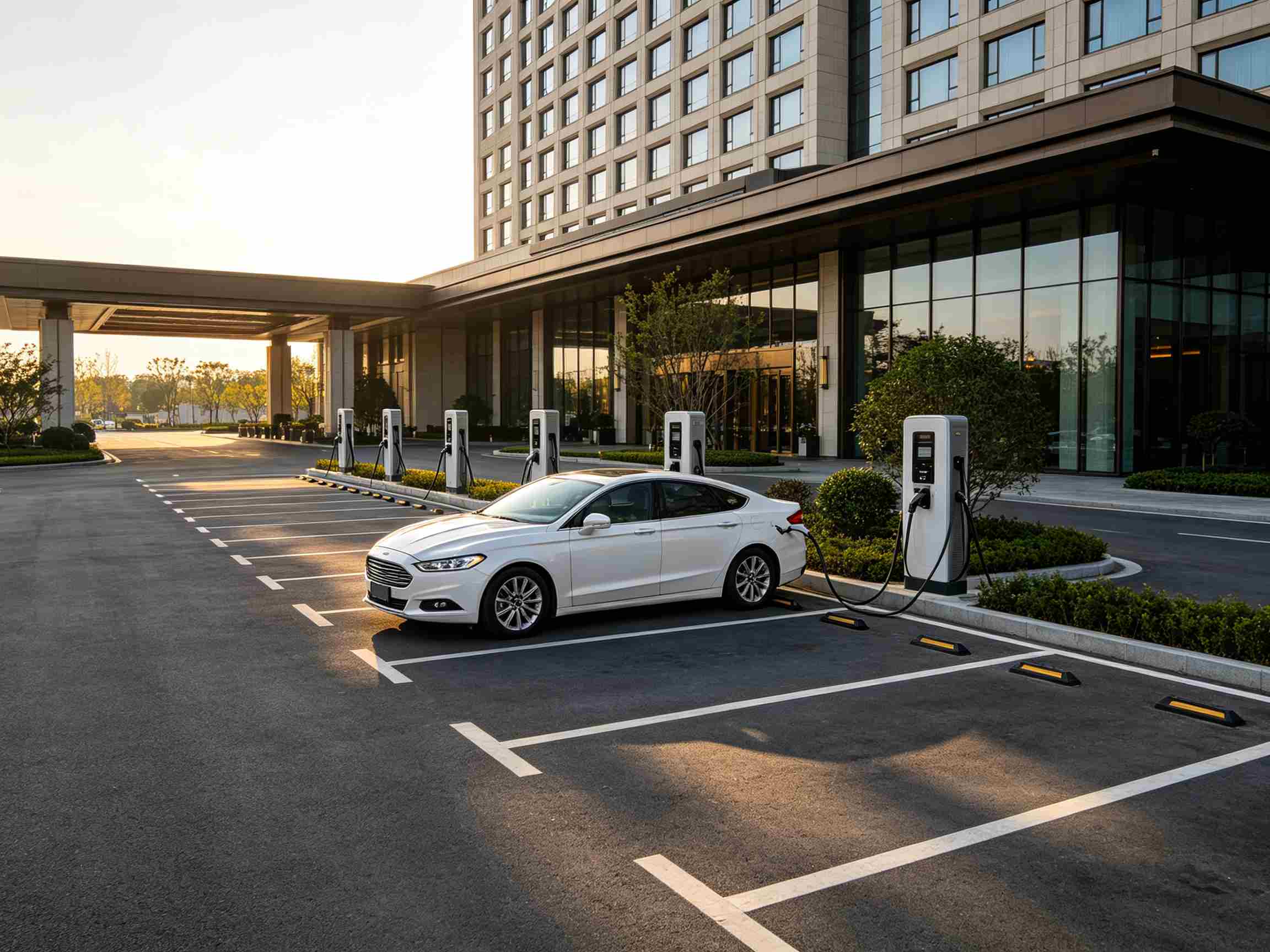
Mixed AC and DC Charging Areas
The AC/DC mix should be determined by parking dwell time, charger utilization, simultaneous charging demand, vehicle mix, and available electrical capacity rather than by a fixed charger ratio. This approach requires clear signage, vehicle circulation, connector planning, and a service process for both charger types. The most suitable mix follows parking behavior and electrical capacity rather than a generic hotel formula.
| Hotel situation | Typical stay | Charger direction | Operating focus |
|---|---|---|---|
| Overnight guest | Several hours | AC charging | Simple access and bay turnover |
| Short visitor | Shorter window | Selected DC | Entry, departure, support |
| Resort destination | Long stay | AC base | Wayfinding and weather exposure |
| Mixed parking | Variable | AC and DC mix | Guest priority and public access |
Choose Chargers Around Hotel Parking Behavior
Choose Wall-Mounted, Pedestal-Mounted, or Floor-Standing Chargers
Wall-mounted equipment can preserve floor space in a suitable garage or building area. Column-mounted and floor-standing options may fit open parking rows or resort locations. Review cable reach, turning space, drainage, lighting, impact protection, and technician access before fixing the final position.
Select Connectors for the Local Vehicle Mix
Connector selection should be based on the target market and the selected charger configuration. The hotel should select connectors that match the vehicles it expects to serve and document the choice for staff. Connector availability should be coordinated with cable length, bay markings, and user instructions.
Hotel EV Charging Revenue Models and Operating Strategies
Direct Charging Fees
A hotel may charge by energy, time, session, or a configured combination when supported by its platform and local rules. The financial result depends on sessions, electricity cost, payment processing, maintenance, support work, and parking policy. A simple fee structure is easier for guests and staff to understand than a complicated set of exceptions.
Charging Included in Parking or Room Packages
Charging can be included in a room package, parking package, loyalty benefit, or selected guest tier. This approach emphasizes convenience rather than a separate transaction. The property still needs internal records for energy use, access, maintenance, and any cost allocation between departments.
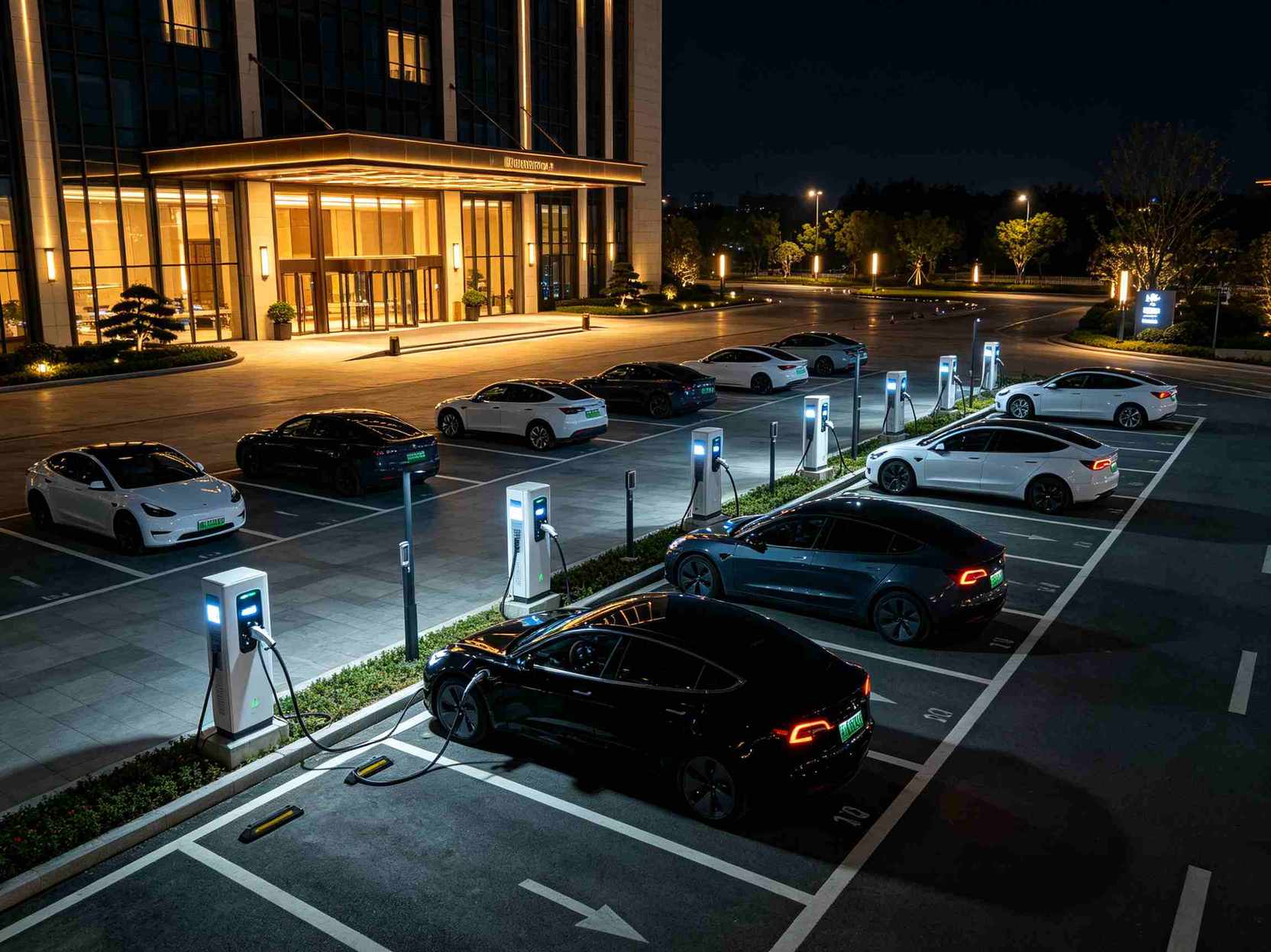
Access Control for Guests, Employees, Valet Teams, and Public Users
RFID, app, or card activation can distinguish registered guests, employees, valet teams, and external drivers depending on configuration. Access groups help protect reserved spaces and clarify who may change a session or release a bay. Any public access policy should also include support contacts, parking limits, and privacy expectations.
| Access group | Possible method | Policy question | Operational note |
|---|---|---|---|
| Guests | App or card | Included or paid? | Explain at check-in |
| Employees | RFID | Reserved hours? | Assign user group |
| Valet team | RFID or card | Who may move vehicles? | Protect bay availability |
| External users | App or card | Public access limits? | Provide support contact |
Manage Hotel Charging Operations Efficiently
Use Simple Access and Authentication
Guests, employees, valet teams, and external drivers may require different permissions. The selected method should be easy for front-desk, valet, and security teams to explain and manage.
Coordinate Overnight Charging
Scheduled charging can help hotels coordinate multiple overnight sessions within a predictable operating window. The hotel should also define procedures for early departures, interrupted sessions, vehicles that remain in charging bays, and valet vehicle movements.
Manage Available Site Power
Dynamic Load Balancing can help coordinate compatible chargers within a configured site limit. It does not create additional electrical capacity, so the hotel still needs an infrastructure review covering the building supply, distribution system, chargers, communications network, and future expansion plans.
Plan Charging Areas for Guest Convenience
Place Chargers Near Suitable Parking Zones
Guest-facing bays should be easy to find without disrupting check-in lanes, accessible parking, loading areas, or valet circulation. Overnight AC bays may be placed near regular guest parking, while DC bays can be positioned for simpler entry and departure. The final arrangement should account for cable reach, connector placement, and vehicle inlet location.
Protect Cables and Preserve Service Access
Wheel stops, impact protection, drainage, lighting, connector holders, and clear pedestrian paths support daily use. Service areas should remain accessible even when the hotel is full.
Prepare for Seasonal and Future Demand
Occupancy, events, holidays, and local travel patterns can change charging demand. Reserve panel space, conduit routes, communication coverage, and physical clearances for later expansion. A staged deployment allows the property to observe guest use before adding more AC bays, selected DC capacity, or a wider access policy.
Where U-charging Fits Hotel Projects
City Hotels and Business Properties
City hotels can use AC charging for overnight guests and selected DC capacity for business visitors or external drivers. Garage access, signage, reception support, and payment workflow should be planned together. A small initial zone can provide operating feedback before broader expansion.
Resorts and Destination Locations
Resorts often have longer visitor stays and more dispersed parking. AC chargers can support destination charging near rooms, villas, or common facilities, while DC may serve a separate arrival or public area. Cable protection, weather exposure, wayfinding, and service access deserve particular attention.
Hotels With Mixed Guest and Public Parking
A hotel may share parking with restaurants, offices, retail, or nearby residents. Access groups, reserved bays, pricing, and time limits can keep guest charging available while allowing selected public use. The policy should be clear enough for front-desk and security teams to apply consistently.
Why Choose U-charging for Hotel Charging
U-charging supports hotel EV charging projects from initial planning through daily operation. Our approach focuses on the hotel’s parking behavior, guest service model, vehicle turnover, electrical capacity, and future expansion needs.
Right Equipment Selection
We help hotels select practical 7 kW, 11 kW, and 22 kW AC charging solutions, together with suitable DC configurations for valet parking, short-stay visitors, and higher-turnover locations.
Project Planning
We help hotels develop a practical charging deployment plan aligned with guest service, staff workflows, and future expansion.
Installation and Commissioning Guidance
Our project support helps coordinate equipment installation, communication setup, charging management platform configuration, testing, and commissioning.
Technical Training
We provide practical training so hotel teams can operate the charging system confidently and respond consistently to common guest and operational issues.
After-Sales Support
U-charging provides ongoing technical support to help hotels maintain reliable charging availability, respond to operational issues, and prepare for future charging expansion.
Conclusion
A successful hotel EV charging solution should improve the guest experience while fitting the property’s daily parking and service operations. 7 kW, 11 kW, and 22 kW AC charging can support overnight guests, while selected DC charging can serve valet operations, short-stay visitors, and higher-turnover locations.
U-charging supports hotels with equipment selection, project planning, installation and commissioning guidance, staff training, and after-sales service. Talk to Our Engineer to discuss your hotel charging requirements.
FAQ
Q: What is a Hotel EV Charging Solution?
A: It is a planned combination of EV chargers, parking layout, access methods, electrical design, backend connectivity, guest communication, and service procedures for a hotel or resort. A complete solution may use AC charging for overnight guests, selected DC charging for faster turnover, and different permissions for guests, staff, valet teams, and external users.
Q: Should hotels choose AC or DC chargers?
A: AC is usually suited to overnight guests and other longer stays, while DC can serve short visits or drivers who need a faster stop. Many hotels use a mixed approach. The decision should follow parking duration, vehicle demand, electrical capacity, connectors, site circulation, support coverage, and the property’s access policy.
Q: Can hotels charge guests for EV charging?
A: A hotel may use direct charging fees, include charging in a room or parking package, or offer it as a selected amenity when local rules and the platform support the chosen model. The property should account for electricity, payment, maintenance, software, staff support, and bay management before setting a policy.